Quick Answer
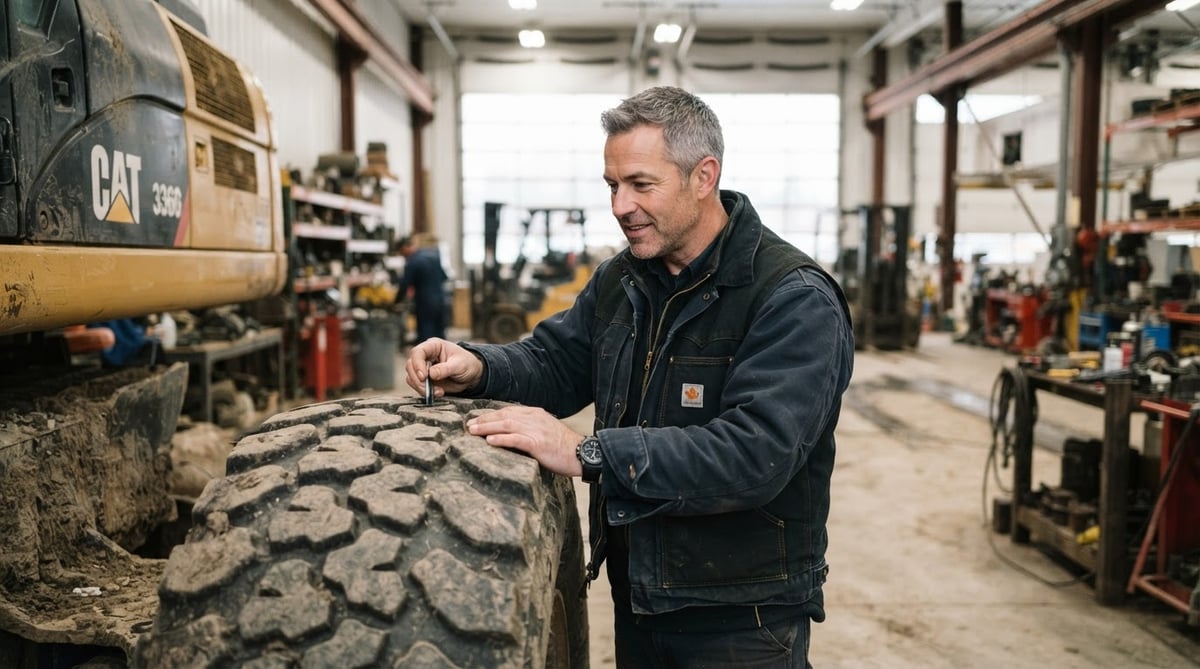
Equipment financing helps Canadian construction firms acquire essential machinery while keeping cash available for payroll, materials, subcontractors, and project costs. It is often a practical route when bank timelines or credit rules do not match the realities of contract-based revenue and seasonal work.
Introduction
Equipment financing for Canadian businesses gives construction owners a way to put revenue-producing assets to work without paying the full purchase price upfront. Construction business loans can also support equipment purchases, but the right structure depends on the asset, expected job pipeline, available equity, and cash flow. A lender will usually assess the equipment’s value alongside the business’s ability to repay, rather than reviewing only a credit score. The purchase decision becomes difficult when a machine is needed before the next progress payment arrives.
Key Takeaways:
Finance equipment that directly supports contracted or recurring construction work.
Compare ownership, payment flexibility, and end-of-term obligations before signing.
Prepare equipment details, business records, and project revenue information early.
How Equipment Financing for Canadian Businesses Works
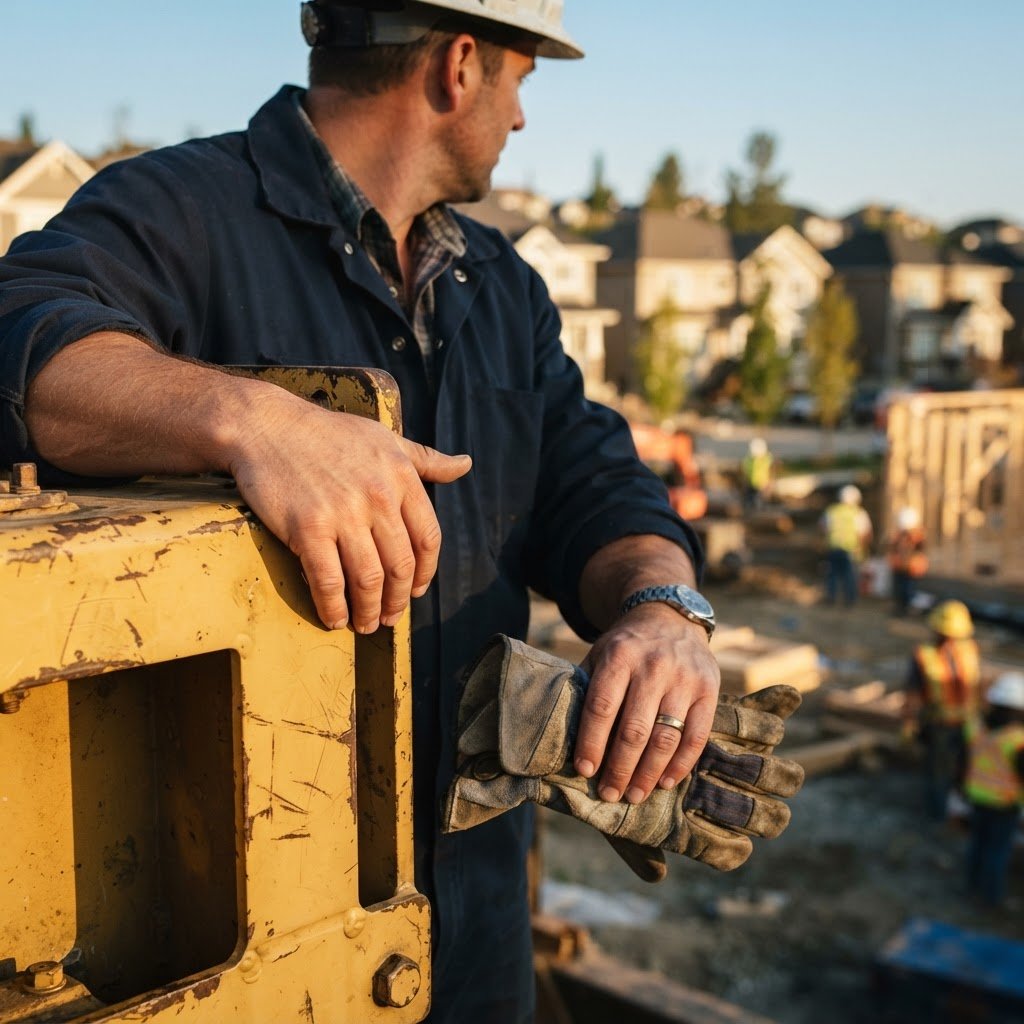
Equipment financing uses the machine being acquired as part of the lending decision. A construction company identifies the asset, provides purchase information, and agrees to repayment terms that reflect the transaction. The goal is to preserve operating cash while adding equipment that can help complete work, reduce rental dependence, or expand capacity.
Equipment commonly financed by construction firms
Financing can apply to assets with a clear business purpose and identifiable value, including new or used equipment. Contractors should connect each purchase to a practical operating need, such as completing awarded work, replacing unreliable machinery, or bringing in-house a capability that is currently subcontracted. Clear equipment details make it easier to discuss financing options with a lender.
Excavators: Used for grading, trenching, demolition, and site preparation.
Skid steers: Support material handling and confined-site work.
Loaders: Move aggregate, debris, and bulk construction materials.
Cranes: Handle lifting needs on larger commercial projects.
Service vehicles: Carry crews, tools, and equipment between sites.
What lenders review before approving an equipment purchase
Lenders may request information to understand the borrower, the asset, and the repayment source, such as business registration details, recent banking activity, invoices or contracts, identification, a supplier quote, and information about existing debt. Requirements for equipment financing vary because a newer excavator with a dealer invoice is assessed differently from specialized used machinery bought privately.
For tax planning, general machinery, furniture, and fixtures commonly fall under Class 8, which uses a 20% declining-balance rate. Under Canadian tax rules, leasehold improvements in Class 13 are depreciated on a straight-line basis over the lease term plus the first renewal, subject to a minimum of five years and maximum of 40 years. Construction owners should discuss the classification and available deductions with a qualified tax professional before assuming the financing structure determines the tax result.

Equipment Financing Versus Leasing Canada: The Core Tradeoff
Financing and leasing are not interchangeable, even though both can spread the cost of construction equipment over time. Financing is generally structured around acquiring the asset, while leasing is structured around the right to use it under agreed terms. The decision should start with how long the company expects to need the machine and what it plans to do at the end of the agreement.
Ownership, cash flow, and end-of-term choices
An equipment lease or loan should be evaluated against the machine’s expected role in operations, not just the periodic payment. Ownership can make sense when equipment will remain central to the fleet, while a lease may be considered where replacement cycles or use requirements are less predictable. These decisions should also account for maintenance responsibilities, resale expectations, and any purchase option written into the agreement.
This comparison highlights the questions that affect day-to-day construction operations most directly.
Decision factor | Equipment financing | Equipment leasing |
|---|---|---|
Primary structure | Funding tied to acquiring equipment | Agreement for equipment use |
End-of-term focus | Ownership position and remaining balance | Return, renewal, or purchase terms |
Long-term planning | Useful for core fleet assets | Useful where replacement needs may change |
Cash planning | Requires a down payment, which uses more cash upfront | Preserves more upfront operating cash, often with little or no down payment |
The important distinction is not which payment appears lower in isolation. It is whether the agreement supports the company’s expected use of the asset and leaves enough liquidity for the work already underway.
When a term loan or credit line may be more suitable
A term loan may be more appropriate when the equipment purchase is bundled with mobilization costs, repairs, materials, or other expenses that do not belong in an asset-specific agreement. A flexible business line of credit can help bridge timing gaps between job costs and customer payments, because interest is paid only on amounts drawn. Contractors handling several overlapping projects often need both a plan for the equipment purchase and a separate plan for working capital.
Solid Capital provides equipment financing alongside business term loans up to $5M, invoice factoring, and lines of credit, allowing a construction owner to discuss the funding need as a complete operating picture rather than as a single invoice.
Applying for Contractor Business Loans Without Delays
Contractor business loans move faster when the application shows how equipment will support repayment. A lender does not need a lengthy narrative, but it does need a coherent file: the asset being purchased, the supplier, the business revenue pattern, current commitments, and the projects expected to generate cash.
Build an application around the equipment and work pipeline
Start with a detailed quote or bill of sale, then organize recent business banking records and documents that show active or completed work. Include customer invoices, signed contracts, purchase orders, or project schedules where available, because these can explain recurring revenue and payment timing. If the business has had a credit issue, address it directly and show the current operating picture instead of leaving unexplained gaps.
Keep the request proportionate to the asset and the company’s repayment capacity. A machine that eliminates repeated rental costs or lets a crew take on confirmed work presents a clearer case than equipment bought without a defined operating plan. This is especially relevant for working capital for Canadian SMEs that must cover labour and suppliers before client funds clear.
Why alternative underwriting can matter in construction
Traditional-bank requirements and decision timelines can differ by lender and application, which can conflict with equipment availability or a tight project start date. Non-bank lending solutions can assess revenue, equity, and the broader business situation when a conventional file does not fit standard bank criteria. Solid Capital states that its process begins with a five-minute online application, followed by a same-day offer from a dedicated Canadian advisor, with funding available as fast as 24 hours.
Its stated 2025 approval rate was 89%, and the company states that it considers all credit profiles. That does not remove the need to review repayment terms carefully, but it gives owners a route to explore when a bank decision does not reflect current contracts or available assets.

How to Protect Cash Flow After Funding
Financing only works when the payment schedule fits the company’s actual cash conversion cycle. Construction firms should map expected equipment payments against payroll dates, material deposits, subcontractor obligations, retainage, and anticipated customer receipts. A monthly payment that appears manageable on a forecast can become difficult if one progress payment is delayed.
Match the asset to a measurable business purpose
Before signing, calculate what the equipment changes operationally: reduced rental spending, fewer subcontracted tasks, faster site completion, or access to additional scopes of work. Do not rely on projected revenue alone when the business has not secured the jobs that will use the machine. A documented work pipeline gives the purchase a commercial purpose and helps management decide whether the asset should be owned or leased.
Keep the agreement and related records organized for tax and accounting purposes. Equipment financing and leasing can produce different reporting and tax considerations, so the accounting treatment should be confirmed before filing rather than reconstructed later. The same source notes that EIFEL uses a 30% fixed-ratio test for excessive interest and financing expenses. Tax treatment can depend on the agreement and the asset, so confirm current requirements with a qualified tax professional before filing.
Review terms before accepting fast funding
Speed matters when equipment is needed for an active project, but it should not replace due diligence. Review the repayment amount, payment frequency, security requirements, fees, default provisions, insurance obligations, and any end-of-term conditions before accepting an offer. Ask whether a change in project timing would affect the payment plan and keep copies of every signed document.
Construction owners who need a practical assessment can review financing versus leasing considerations before committing to a structure that may affect the business long after the current project closes.
Conclusion
Equipment financing can give a Canadian construction firm access to essential machinery without exhausting the cash needed to run active jobs. The strongest application ties a specific asset to confirmed or credible revenue, provides clear business documentation, and tests payments against real project cash flow. Compare ownership and leasing terms carefully, then review the full cost and obligations before signing. Construction businesses that need flexible underwriting and a fast funding process may consider Solid Capital for equipment and broader business financing needs.
Need machinery funding that reflects your current business situation? explore financing options and discuss the equipment purchase with a Canadian advisor.
Frequently Asked Questions (FAQs)
What are the requirements for business loans in Canada?
Requirements for business loans in Canada usually include business identification, banking records, details of the financing purpose, and information showing how the company will repay, while lenders may also request supplier quotes, invoices, contracts, or details about existing obligations depending on the transaction.
Why did the bank decline my business loan?
A bank may decline a business loan because the application does not meet its credit, income, collateral, documentation, or operating-history criteria, even when the business has current projects or assets that could be considered differently through alternative underwriting.
Can I get a business loan with bad credit?
Yes, a business loan may still be available with bad credit when a lender assesses revenue, equity, contracts, asset value, and the full operating picture rather than relying only on a personal or business credit score.
How fast can I get business funding in Canada?
Business funding in Canada can be available in as little as 24 hours after the application and offer process, although the final timeline depends on the information provided, the financing product, and completion of required documentation.
How does a business line of credit work?
A business line of credit gives a company access to an approved borrowing limit that can be drawn when needed, with interest paid only on the amount used, which can help manage uneven timing between construction expenses and client payments.
Why choose an alternative lender over a bank?
An alternative lender can be appropriate when a business needs a faster decision or does not fit strict bank criteria, because alternative underwriting may consider the company’s revenue, equity, contracts, and current circumstances alongside its credit history.
About the Author
James Bennett is a Senior Financing Writer covering Canadian private mortgages, business financing, and alternative lending. His work explains lending decisions in practical terms, with attention to documentation, qualification factors, and the cash flow pressures facing Canadian business owners.