
Quick Answer
Use working capital when your landscaping firm needs cash for payroll, fuel, materials, or the gap between completing work and collecting payment. Use equipment financing when a truck, mower, trailer, or machine will produce value over time and can support structured repayment.
Introduction
For a landscaping company, the right working capital loan solution is not the same as financing a new skid steer or work truck. Working capital loans are built for operating expenses, while equipment financing ties funding to a specific productive asset. Seasonal revenue can make both necessary, but using equipment money for payroll can leave a business short when repair costs or supplier invoices arrive.
Key Takeaways
Working capital protects day-to-day cash flow between landscaping jobs and customer payments.
Equipment financing preserves cash while funding vehicles and machinery needed for contracted work.
Match repayment to the purpose of the funds before accepting any financing offer.

Working Capital Loans Canada: Covering Operating Gaps
Working capital is money used to keep the business moving before revenue arrives. It can cover crew wages, fuel, mulch, insurance, repairs, deposits, and supplier bills when a landscaping firm has work booked but cash is temporarily tied up in unpaid invoices. This differs from asset-based business lending because the immediate need is operational liquidity rather than the purchase of one identifiable machine.
Expenses that working capital should cover
Choose working capital when the expense is consumed in the normal course of work and will not remain on the balance sheet as a long-term asset. A contractor starting a large spring cleanup contract may need funds before the client's payment cycle catches up.
Payroll: Pay seasonal crews before client invoices clear.
Fuel: Keep trucks and trailers moving between job sites.
Materials: Purchase soil, sod, plants, and stone upfront.
Repairs: Handle an urgent equipment repair without stopping jobs.
Why timing matters more than revenue
A profitable firm can still run short of cash when payments arrive after expenses are due. Seasonal business financing helps bridge that timing mismatch, particularly when early-season payroll and materials costs rise before recurring maintenance invoices are paid. A business line of credit can also help with draws as needed. Compare a known lump-sum working capital loan with repeated access to funds when choosing between these options.
Equipment Financing for Revenue-Producing Assets
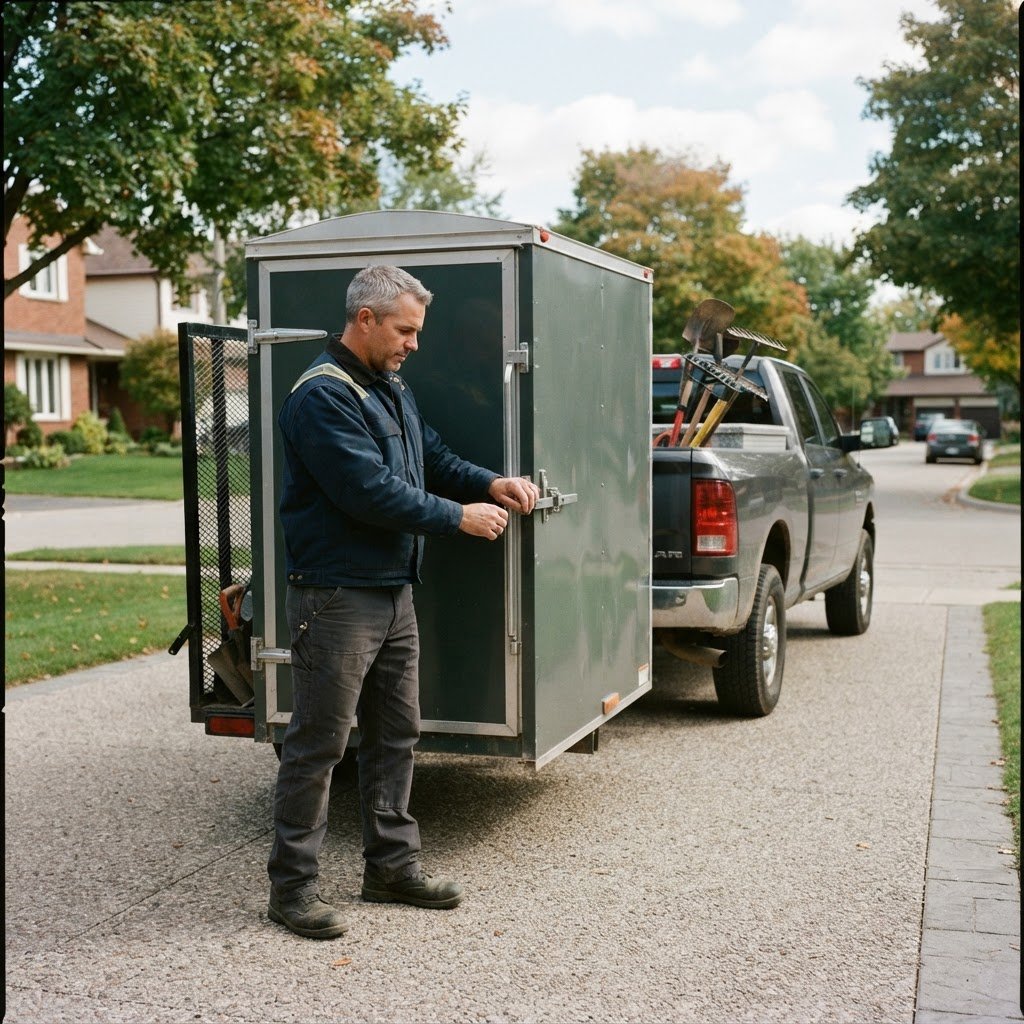
Equipment financing is for purchases that remain useful across many jobs, such as commercial mowers, compact loaders, trailers, trucks, and irrigation equipment. Instead of draining operating cash for one purchase, the business finances the asset and repays the funding over an agreed schedule.
When a truck or machine needs its own financing
Use equipment financing when the purchase directly expands capacity, replaces unreliable machinery, or enables a signed contract. The Canada Small Business Financing Program lists commercial vehicles and production equipment among term-loan uses, and its current guidance describes term loans up to $1,000,000 per borrower, with no more than $500,000 for eligible new or used equipment and related uses.
That program's published limits do not determine every private funding offer, but they show why equipment and operating cash are treated differently in Canadian business financing. Review equipment financing options against the expected use of the machine, its service needs, and the revenue it will help deliver.
Working capital and equipment financing compared
This table separates the two choices by what the money pays for and how it affects a landscaping company's cash position.
Decision point | Working capital | Equipment financing |
|---|---|---|
Primary purpose | Short-term operating expenses | Purchase of a durable business asset |
Landscaping example | Crew payroll and fuel before invoice payment | New mower, trailer, truck, or loader |
Cash-flow effect | Bridges an immediate timing gap | Preserves cash for operations |
Repayment focus | Expected near-term business receipts | Asset use and revenue capacity |
Funding details | Under the CSBFP, eligible lines of credit can be up to $150,000[1] | Under the CSBFP, term loans can be up to $1,000,000 per borrower, with no more than $500,000 for eligible equipment and related uses |
The practical dividing line is simple: finance the truck separately, then reserve operating capital for the costs of putting that truck and crew to work.
How to Choose the Right Financing Path
Start with the expense, not the funding label. A business loan should solve one defined cash need, with repayment aligned to the jobs, contracts, or assets that will support it. Combining unrelated needs into one request can make it harder to see whether the financing is actually improving cash flow.
Use a job-based decision process
First, identify whether the need disappears after the job is completed or continues to create value over future seasons. If it is payroll, fuel, plants, or subcontractor costs, use operating capital. If it is a commercial mower or truck needed to complete contracted work, explore equipment financing. Under the Canada Small Business Financing Regulations, a going concern is a business that operated within 60 days before purchase, or during the prior season for a seasonal business.[2]
Next, map incoming payments against due dates and keep a separate repair reserve when possible. For firms with customer invoices outstanding, contractor business loans can be considered alongside invoice-based financing, depending on how revenue is collected and documented.
Consider underwriting before delaying a purchase
Traditional lenders may focus heavily on credit history, established financial statements, and predictable annual revenue, which can be difficult for a seasonal operator. Solid Capital provides alternative business lending for Canadian owners seeking funding outside strict bank criteria, considering the fuller business picture rather than credit score alone. Its stated process includes a five-minute application, a same-day offer, and funding as fast as 24 hours, subject to approval and the circumstances of the file.
Do not treat fast access to business capital as a reason to borrow without a plan. Confirm the total obligation, payment dates, security requirements, and whether the funding fits expected cash receipts before signing.

Conclusion
Working capital solves short-term operating pressure, while equipment financing supports durable assets that help your landscaping firm complete more work. Keep payroll, fuel, materials, and delayed invoice gaps separate from truck and machinery purchases so each repayment has a clear source. For Canadian landscaping owners who need flexible business lending criteria after a bank decline, Solid Capital is a financing option for operating needs or equipment purchases based on the details of the business. Compare a working capital loan with a line of credit before choosing a draw-based facility or a defined loan.
Need financing that matches your next landscaping season? Connect with Solid Capital to discuss your business funding options.
Frequently Asked Questions (FAQs)
What is the difference between working capital and equipment loans?
Working capital and equipment loans differ because working capital pays for operating costs such as payroll and materials, while equipment financing funds a durable asset such as a truck, mower, trailer, or loader that supports work over an extended period.
How does equipment financing work for landscaping businesses?
Equipment financing works for landscaping businesses by funding a specified vehicle or machine and spreading repayment under agreed terms, allowing the owner to retain more cash for fuel, labour, materials, maintenance, and other active job costs.
Can a landscaping company qualify for a working capital loan?
A landscaping company can qualify for a working capital loan when its lender accepts the business's financial profile and purpose for funds, although approval requirements, documents, security, and repayment terms vary by lender and individual application.
Is a business line of credit better than an equipment loan?
A business line of credit is not inherently better than an equipment loan because it supports repeat operating draws, while equipment financing is designed for a defined asset purchase and should be evaluated against the business's actual cash need.
What documentation do I need for a business term loan?
Business term loan documentation commonly includes identification, business information, bank activity, revenue records, and purchase details where relevant, but the exact documents depend on the lender, loan purpose, credit profile, and security involved.
How fast can I get business funding from Solid Capital?
Solid Capital states that eligible business applicants can receive funding as fast as 24 hours after its application and offer process, although timing depends on approval, file completeness, and the particular financing arrangement.
Sources
- Overview and Highlights 2024-25 - Canada Small Business Financing Program — ised-isde.canada.ca ↩
- Canada Small Business Financing Regulations — laws-lois.justice.gc.ca ↩
About the Author